
A modern surveillance system with IP cameras protects premises, stock and staff, and it gives secure access to live video from anywhere. Business IT Support designs, installs and secures camera systems, together with the network they depend on.
How a modern surveillance system works
Today, a surveillance system usually consists of IP cameras, a network with Power over Ethernet (PoE), a recorder or video management software and secure remote access. First of all, the cameras send video over the network, and the recorder stores it for a set time. In addition, motion detection and analytics reduce the amount of video that someone needs to watch.
Compared with older analogue systems, IP cameras give much higher resolution and more flexibility. However, they also bring the same security risks as any other device on the network. Therefore, the design must cover both picture quality and IT security.
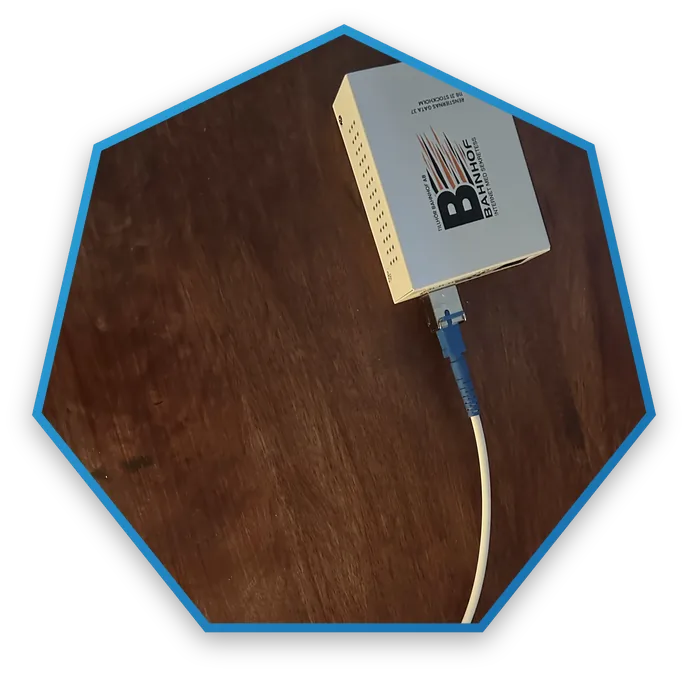
Fibre and a stable connection
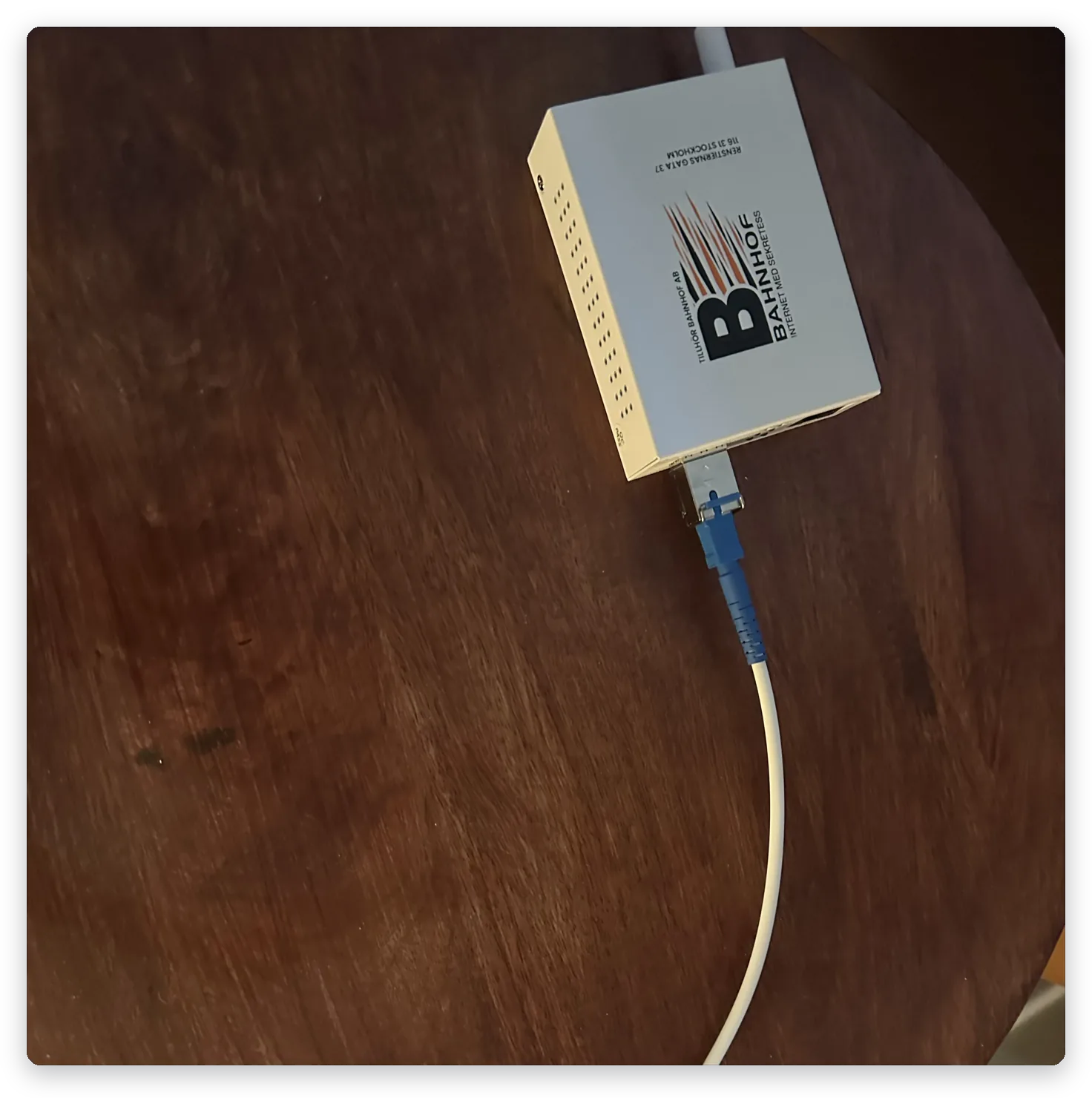
Above all, cameras need a stable connection with enough bandwidth. For buildings and outdoor areas with long distances, we use fibre with media converters or SFP modules, since copper cable only reaches about 100 metres. Moreover, fibre does not pick up electrical interference or lightning surges.
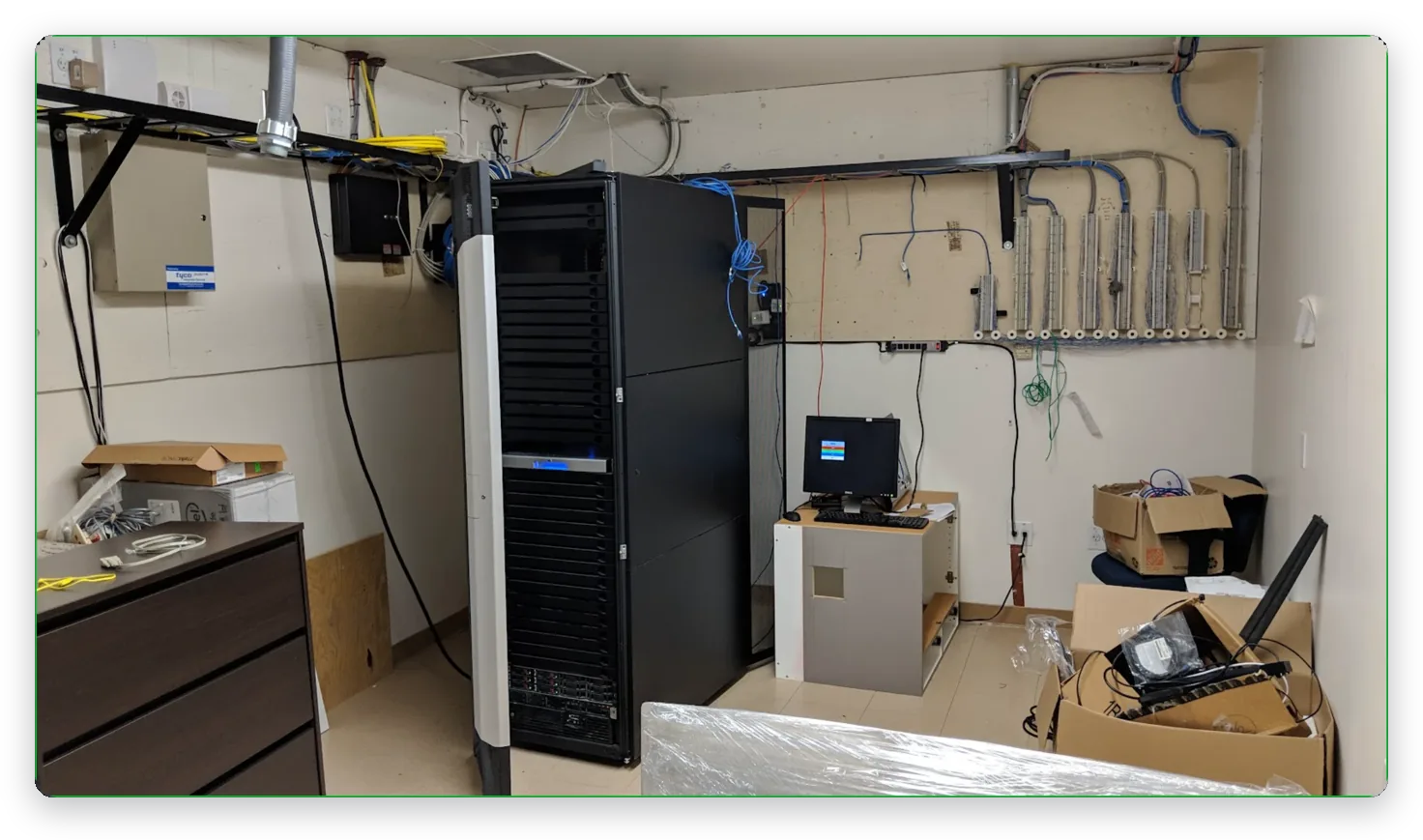
In addition, we calculate the PoE budget of the switches and the storage that the recorder needs. As a result, the system records reliably, even when all cameras run at full resolution.
Furthermore, we connect the recorder and the switches to a UPS, so the cameras keep recording during a short power cut.
Security in the surveillance system itself
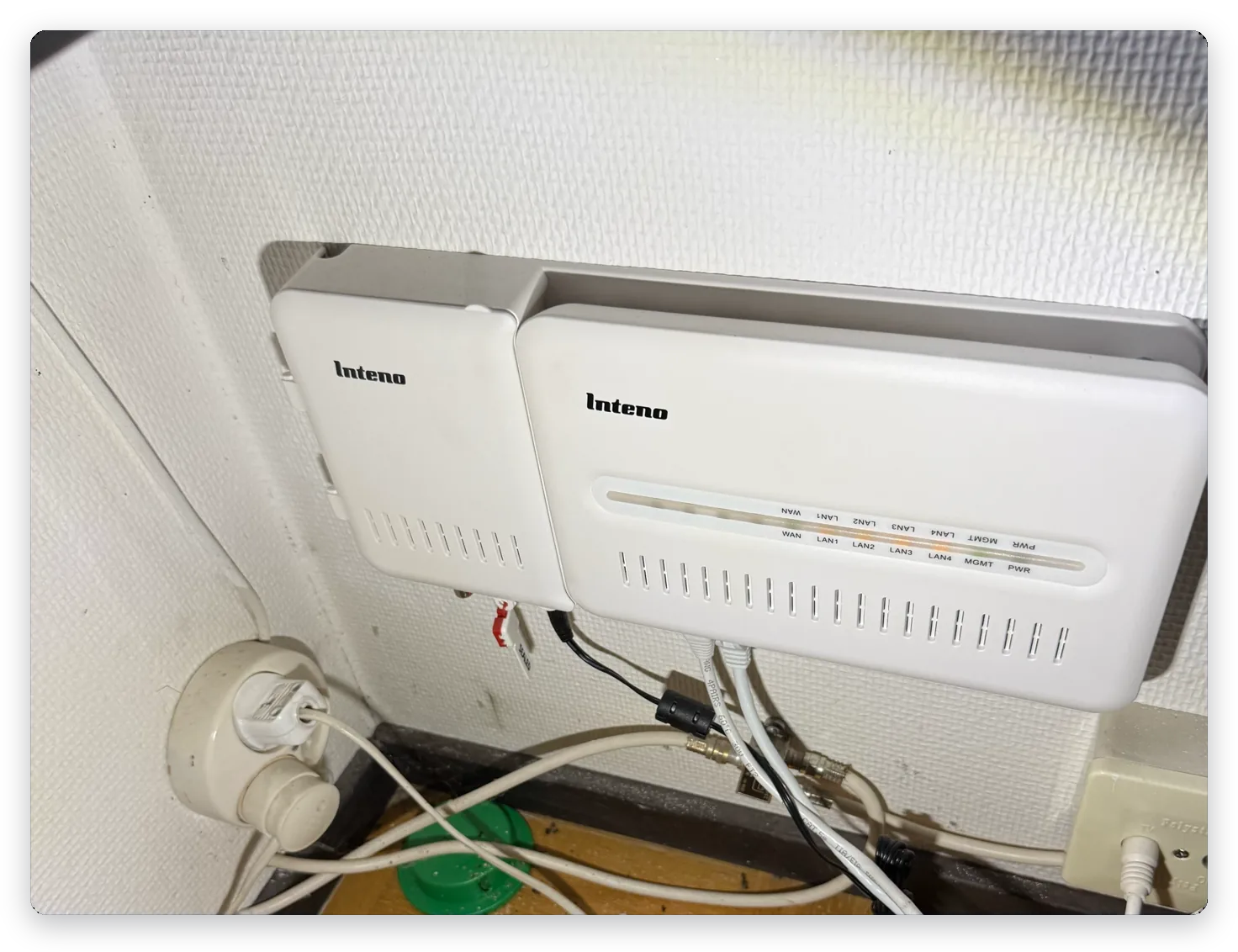
In practice, cameras with default passwords and outdated firmware are a common way into company networks. For that reason, we change every password, update the firmware and place the cameras in a separate VLAN without direct internet access. Furthermore, we turn off cloud services and UPnP that the business does not need.
Moreover, remote access goes through a VPN or the manufacturer’s secure service with two-factor authentication, never through open ports. Consequently, only authorised people can watch live or recorded video.
Rules and responsibility for camera surveillance
Legally, camera surveillance processes personal data, so GDPR applies. In Sweden, the Camera Surveillance Act (kamerabevakningslag) also requires a clear purpose, signs that inform people and a careful balance between the need and the privacy of those filmed. In addition, recordings should be kept only as long as necessary.
Therefore, we help the business document the purpose, set suitable retention times and limit who may access the recordings. As a result, the surveillance system protects the company without creating legal risks. For complex cases, we recommend contacting the Swedish Authority for Privacy Protection (IMY) or a lawyer.
Contact Datorkirurgen AB about a surveillance system
Business IT Support is part of Datorkirurgen AB, which has more than 30 years of experience in IT for businesses. We design, install and secure surveillance systems with IP cameras for companies, properties and holiday homes in Stockholm and across Sweden.
In addition, our prices start at €250 per hour excluding VAT, or as agreed, and we guarantee to solve the problem. The Swedish Authority for Privacy Protection explains the rules on imy.se. Contact us, and we will plan a camera system for your premises.
Frequently asked questions about surveillance systems
Surveillance system basics
- What is an IP camera?
- What is PoE?
- What is a network video recorder?
- How many cameras do we need?
- Which resolution should we choose?
- How long should we keep recordings?
- Can we watch the cameras on a phone?
- Do cameras work in the dark?
- Can we use wireless cameras?
- What does a camera system cost?
Network and security
- Why use fibre for cameras?
- How far does copper cable reach?
- Should cameras have their own VLAN?
- Can cameras be hacked?
- Should we change default passwords?
- How do we access cameras remotely?
- Should we open ports in the router?
- What is UPnP and should we turn it off?
- How often should we update firmware?
- Can cameras work behind Starlink?
Rules and support
- Does GDPR apply to camera surveillance?
- Do we need a permit in Sweden?
- Do we need signs about camera surveillance?
- Can we film employees?
- Who may watch the recordings?
- Can you install cameras outdoors?
- Can you upgrade an old analogue system?
- Do you work outside office hours?
- Do you offer ongoing support?
- How do I contact you about a surveillance system?