
An SPF record in DNS lists the servers that may send email on behalf of your domain. Without it, or with a faulty record, attackers can forge your address more easily, and your own messages risk ending up in spam. Business IT Support writes, checks and maintains SPF for businesses.
What an SPF record is and how it works
In short, SPF stands for Sender Policy Framework. The SPF record is a TXT record in DNS that starts with v=spf1 and then lists approved senders, for example include:spf.protection.outlook.com for Microsoft 365. When a receiving server gets a message, it looks up the record and checks whether the sending server appears in the list.
Finally, the record ends with a rule for everything else. For instance, -all tells receivers to reject other servers, while ~all asks them to treat such mail as suspicious. Therefore, the ending decides how strict the protection becomes.
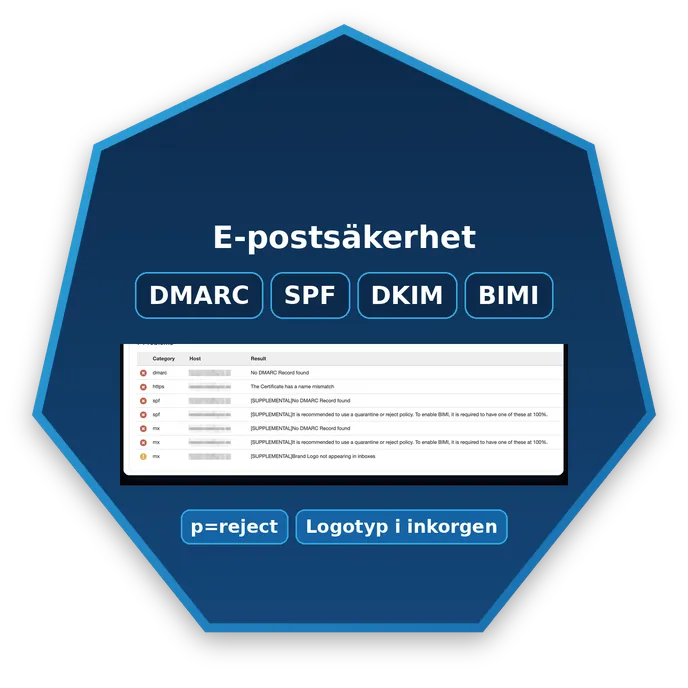
Five common SPF record mistakes
First of all, many domains have two SPF records instead of one, which makes the check fail completely. Secondly, the record often exceeds the limit of ten DNS lookups, because each include can contain further includes. Thirdly, newsletter tools, CRM systems and web forms frequently send email without appearing in the record.
In addition, old services stay in the record long after the company stopped using them, which gives attackers unnecessary options. Finally, some records end with +all, which in practice approves every server on the internet. Each of these mistakes either stops legitimate email or opens the door to forgery.
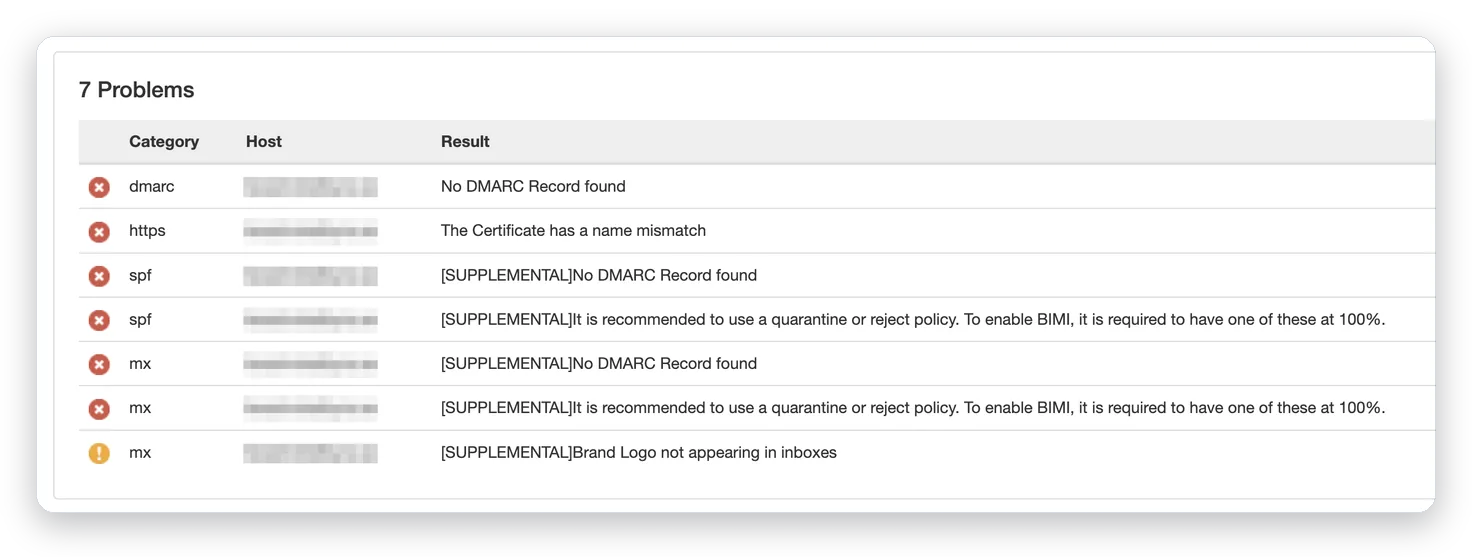
How we work with your SPF record
To begin with, we make an inventory of every system that sends email in your name: Microsoft 365 or Google Workspace, newsletters, invoicing, support tools and the website. Then we read the current DNS records and the DMARC reports, which show which servers actually send mail for the domain.
After that, we write one clean SPF record within the lookup limit and remove services that no longer send. If needed, we use subdomains for bulk email, so marketing messages do not affect the reputation of the main domain. Afterwards, we test delivery to Microsoft, Google and other large providers.
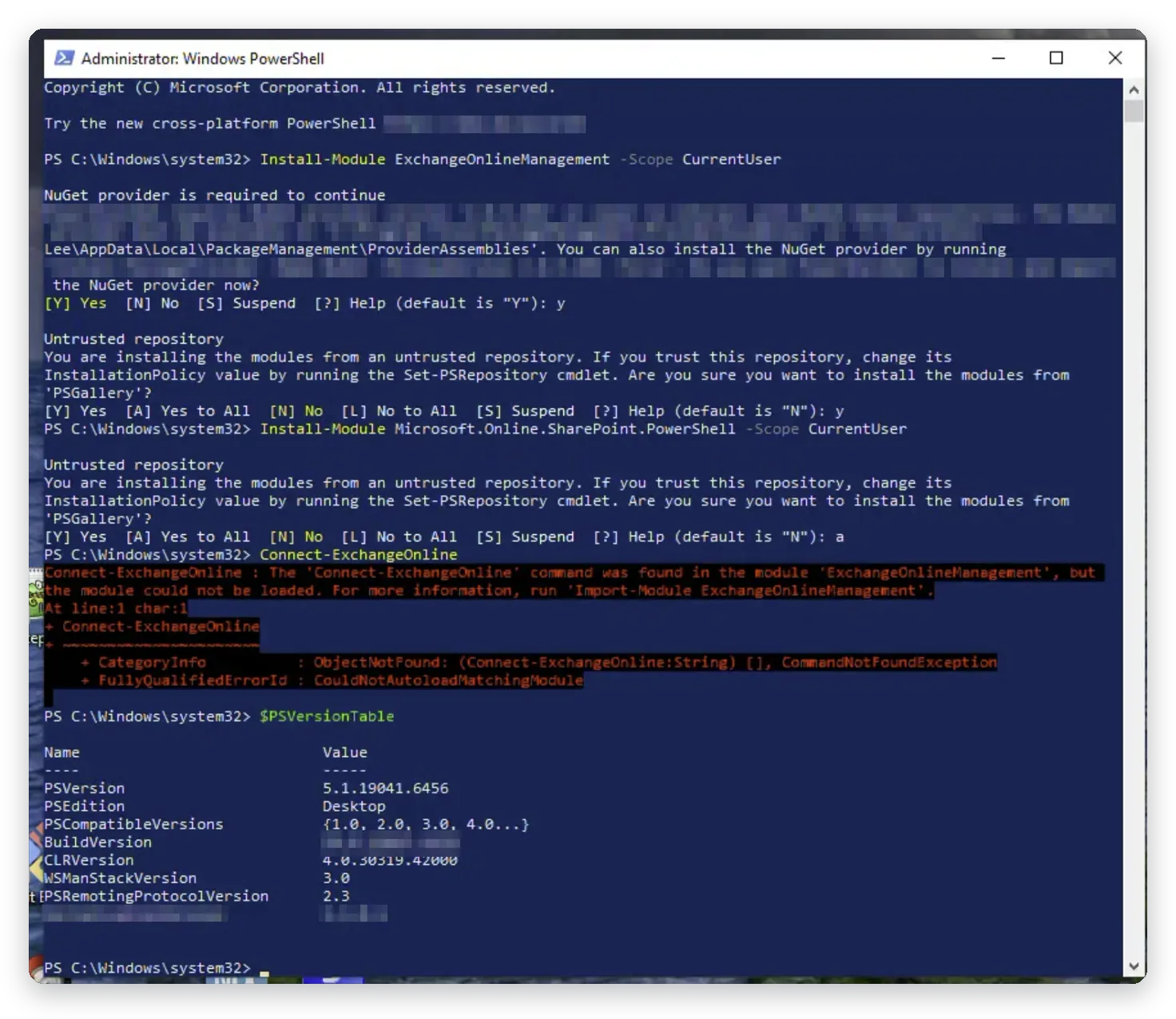
Why SPF is not enough on its own
However, SPF only checks the technical sender, the return path, and not the address the recipient sees in the From field. Moreover, SPF often breaks when a message passes through a forwarding service. For that reason, SPF must work together with DKIM signing and a DMARC policy.
DMARC connects the visible sender to SPF and DKIM and tells receivers what to do when the checks fail. As a result, the three standards together give real protection, and large providers such as Google and Microsoft now require them from bulk senders.
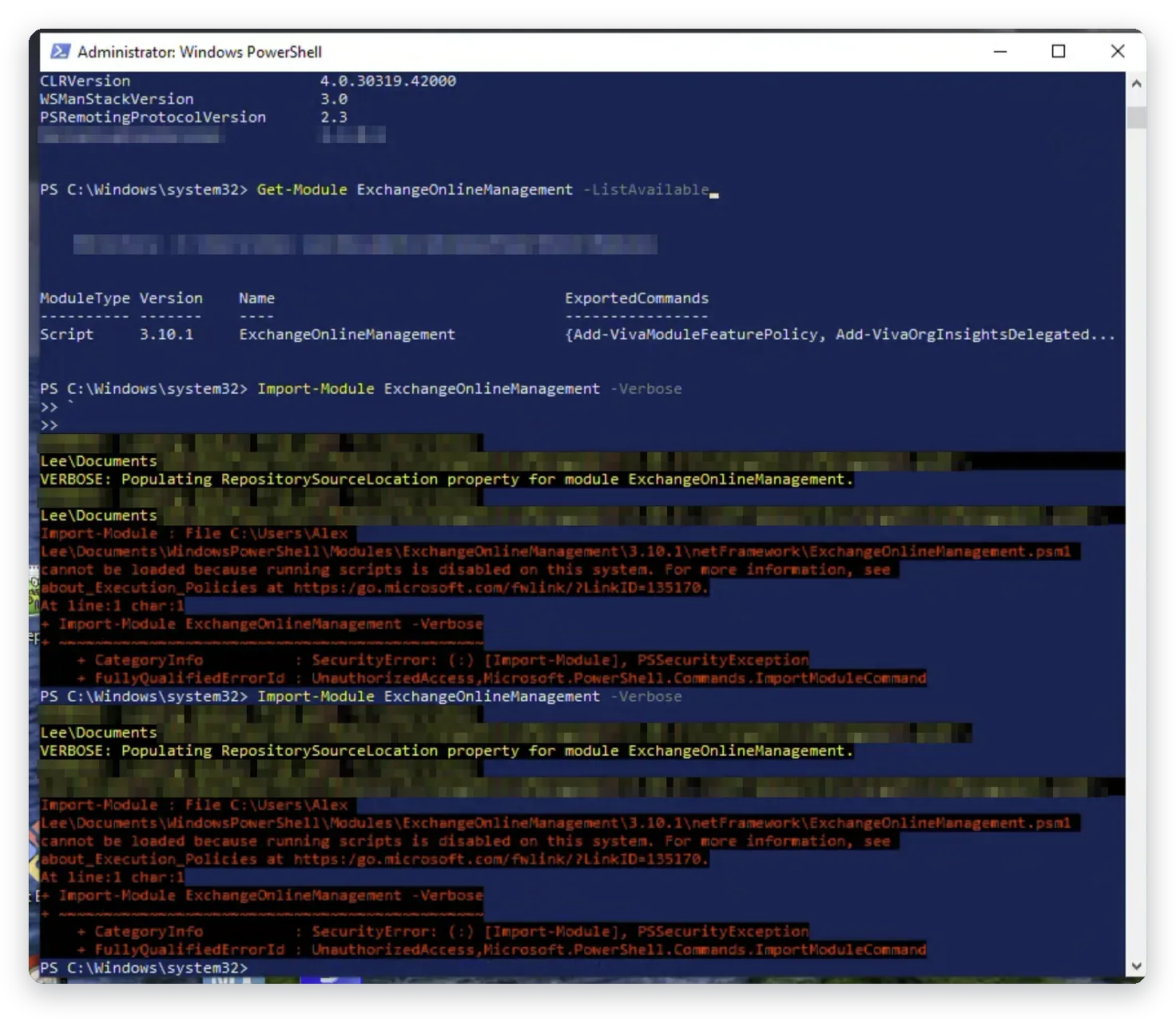
Contact Datorkirurgen AB about your SPF record
Business IT Support is part of Datorkirurgen AB, which has more than 30 years of experience in IT for businesses. We write and check SPF records, DKIM and DMARC for companies remotely anywhere, and on site in Stockholm and across Sweden.
In addition, our prices start at €250 per hour excluding VAT, or as agreed, and we guarantee to solve the problem. For reference, the IETF describes the standard behind SPF in RFC 7208. Contact us, and we will review the email setup for your domains.
Frequently asked questions about SPF record
Basic questions
- What is an SPF record?
- Where do we add the SPF record?
- Can a domain have two SPF records?
- What does -all mean?
- What is the difference between -all and ~all?
- What does include mean?
- Which SPF record does Microsoft 365 need?
- Which SPF record does Google Workspace need?
- Does a domain without email need SPF?
- How long does a DNS change take?
SPF record errors and troubleshooting
- What is the ten lookup limit?
- Why does SPF fail for our newsletter?
- Why does forwarding break SPF?
- What is a permerror?
- What is a softfail?
- How do we test our SPF record?
- Why does our email end up in spam?
- Should our website send email through SPF?
- Can a subdomain have its own SPF record?
- How do DMARC reports help with SPF?
More about protection and support
- Is SPF enough to stop forged email?
- What is DKIM?
- What is DMARC?
- What is BIMI?
- Do Google and Microsoft require SPF?
- Can you check all our domains?
- Can you monitor our email authentication?
- Do you support Google Workspace as well?
- Do you offer ongoing support?
- How do I contact you about our SPF record?