
DMARC reports show every server that sends email in your company’s name, both legitimate services and forgers. Business IT Support reads and interprets the reports, fixes the senders that fail and moves the domain step by step to the strict policy reject.
What DMARC actually does
In short, DMARC connects the visible sender address to the results of SPF and DKIM. A message passes DMARC only if at least one of them passes and matches the domain in the From field. The DMARC record in DNS then tells receivers what to do with messages that fail: nothing, quarantine or reject.
In addition, the record asks receivers to send aggregate reports to an address you choose. In practice, these DMARC reports arrive as XML files, often every day, from Google, Microsoft, Yahoo and many others. Therefore, they give a unique overview of how your domain is used on the internet.
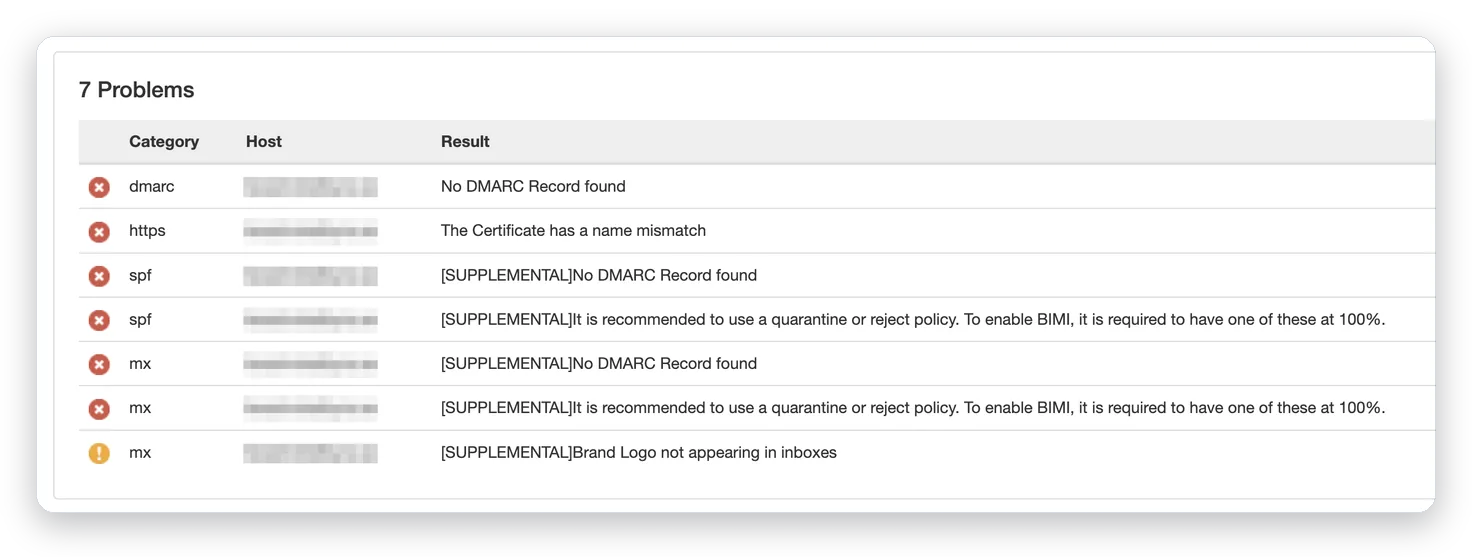
Three steps from monitoring to protection
First of all, we publish a DMARC record with p=none, which only collects reports. Then, for a few weeks, we identify every legitimate sender and fix SPF and DKIM for each of them. As a result, we know exactly which systems need attention before anything gets blocked.
Secondly, we move to p=quarantine, often for a share of the messages at first. Failing messages then land in the spam folder. Finally, when the reports show that all legitimate mail passes, we switch to p=reject. From then on, receivers refuse forged messages before they reach anyone.
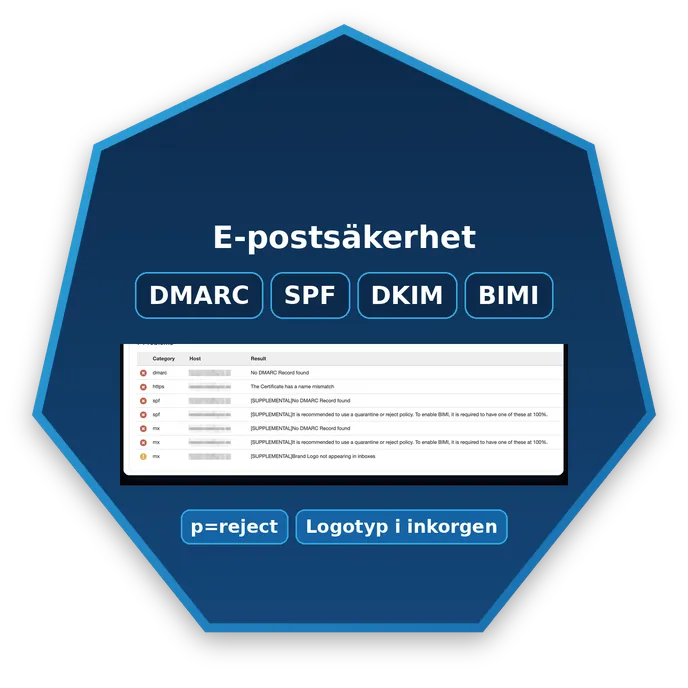
Reading and interpreting DMARC reports
Admittedly, raw XML reports are hard to read. Therefore, we import them into a reporting tool that groups the results by sending server, volume and result. Then we sort the sources into three groups: your own services, known third parties and unknown senders.
For example, a support system that fails DKIM needs its own signing, while an unknown server in another country often indicates spoofing attempts. In addition, forensic reports from some receivers give details about single failing messages. We use all of this to decide when the next step is safe.
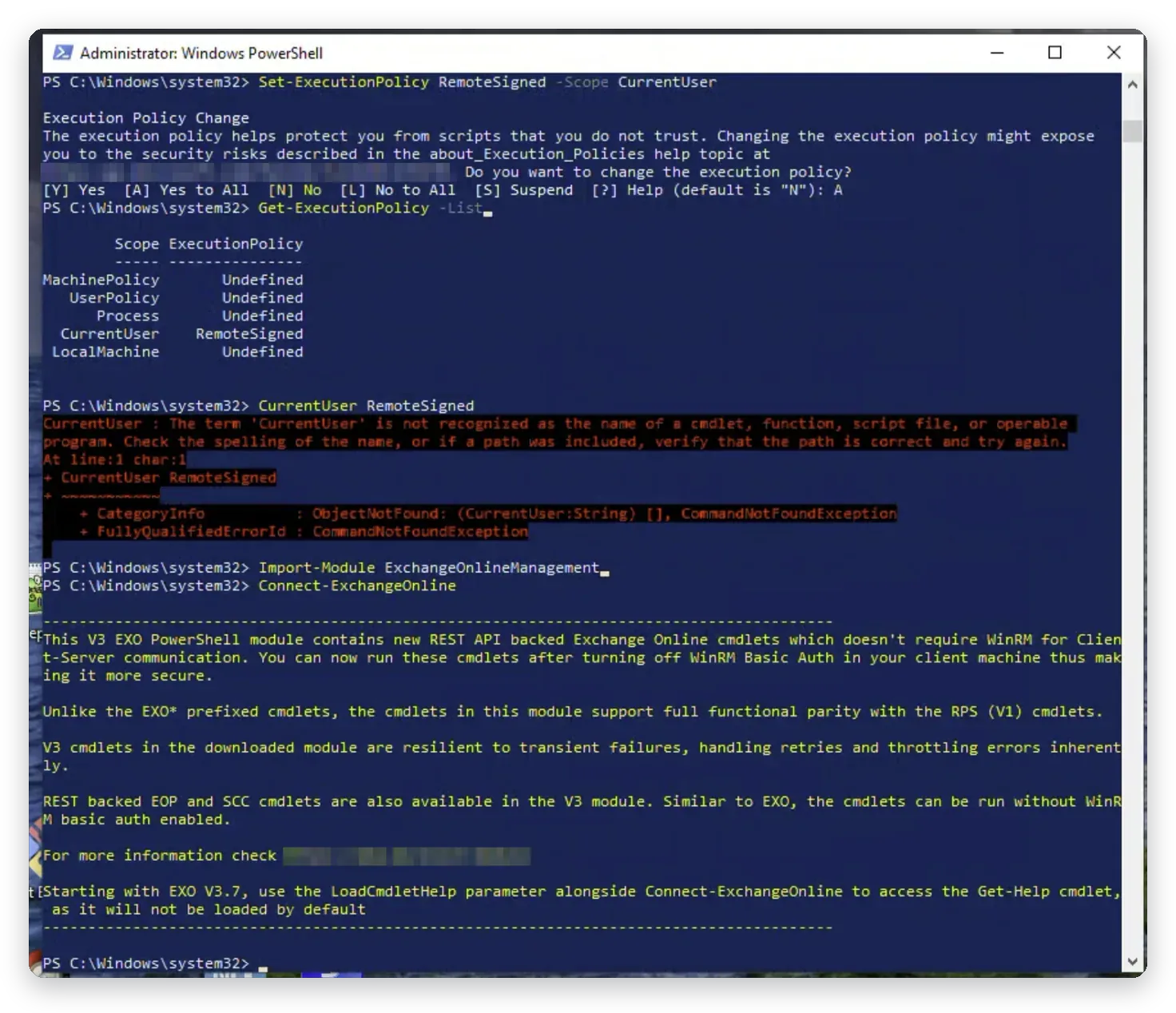
What happens if DMARC is missing or too weak
In fact, without DMARC anyone can send email that appears to come from your domain. Attackers then use this for invoice fraud, fake payment requests and phishing towards your customers. Moreover, Google and Microsoft now require DMARC from bulk senders, so a missing record can also hurt the delivery of your own newsletters.
A record that stays at p=none forever gives reports but no protection. For that reason, the goal should always be quarantine or reject. Consequently, the brand stays protected, and customers can trust the email you send.
Contact Datorkirurgen AB about DMARC reports
Business IT Support is part of Datorkirurgen AB, which has more than 30 years of experience in IT for businesses. We set up DMARC, read the reports and move domains to policy reject for companies remotely anywhere, and on site in Stockholm and across Sweden.
In addition, our prices start at €250 per hour excluding VAT, or as agreed, and we guarantee to solve the problem. The organisation behind the standard explains it on dmarc.org. Contact us, and we will start with a review of your domains.
Frequently asked questions about DMARC reports
Questions about DMARC reports
- What is DMARC?
- What is a DMARC report?
- Who sends DMARC reports?
- How often do reports arrive?
- Where should the reports go?
- Why are the reports in XML?
- What is a forensic report?
- How do we read the reports?
- What does alignment mean?
- Which tools can summarise the reports?
DMARC policy and rollout
- What does p=none mean?
- What does p=quarantine mean?
- What does p=reject mean?
- How long should we stay at p=none?
- What does the pct tag do?
- Can subdomains have their own policy?
- What happens to forwarded email?
- Will reject stop our own email?
- Do Google and Microsoft require DMARC?
- Does a parked domain need DMARC?
More about risks and support
- Can someone send email in our name today?
- How does DMARC stop invoice fraud?
- Does DMARC improve delivery?
- What is BIMI?
- Can you monitor our reports every month?
- Can you fix SPF and DKIM for our senders?
- Can you protect all our domains?
- Do you support Google Workspace?
- Do you offer ongoing support?
- How do I contact you about DMARC reports?