
Oracle Linux and Oracle Database run critical systems in industry, finance and the public sector. Business IT Support troubleshoots performance problems, reads AWR reports, plans patches and keeps the environment secure and supported.
Oracle environments require specialist knowledge
Oracle Linux is binary compatible with Red Hat Enterprise Linux but adds Oracle’s Unbreakable Enterprise Kernel and tools such as Ksplice for patches without reboot. Moreover, on top of it Oracle Database has its own memory structures, processes and diagnostic tools. Therefore, problems often sit in the interaction between the operating system and the database.
Fortunately, our experience covers both layers. As a result, we can follow a problem from a slow application all the way down to a disk, a kernel parameter or a single SQL statement.
Where we look first on Oracle Linux
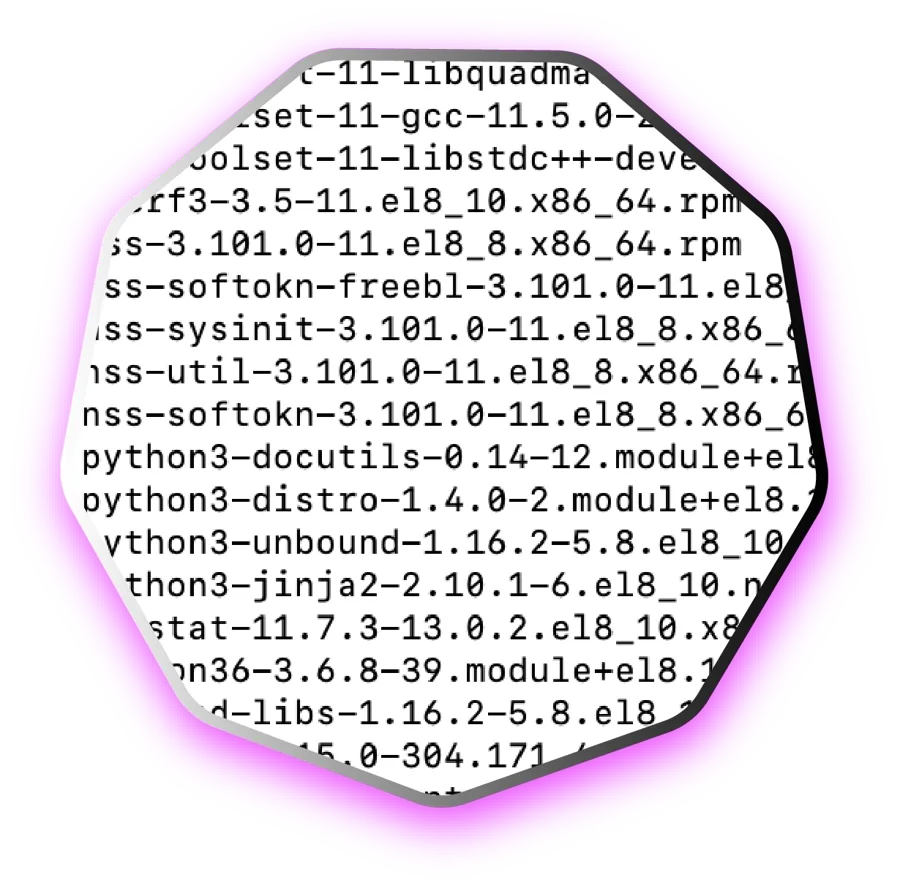
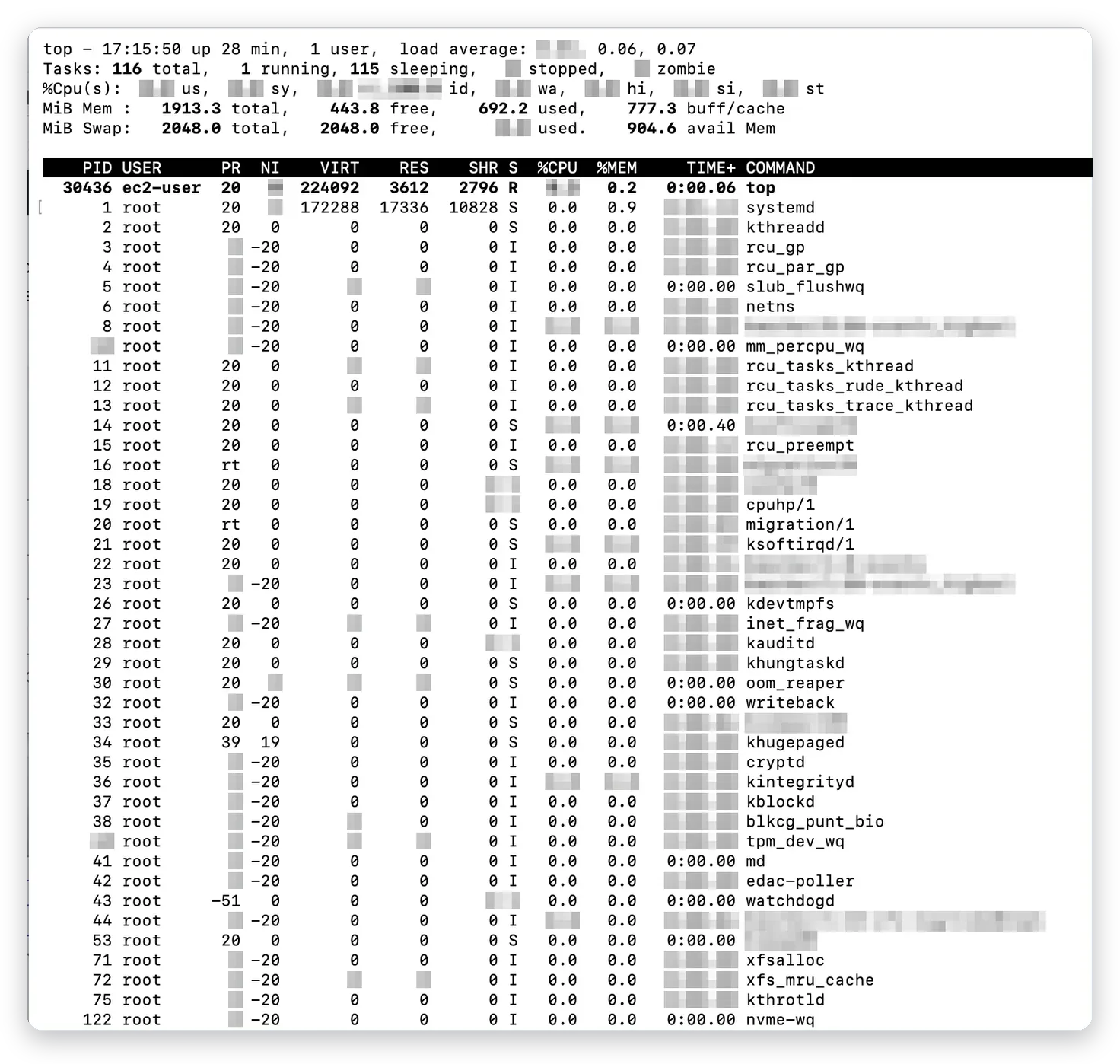
First, we check the basics on the server: CPU, memory, swap, disk latency and network with tools such as top, vmstat, iostat and sar. In addition, we read the system log and the database alert log, which often show the first error message.
Then we check kernel parameters, huge pages and file system limits that Oracle Database needs. For example, a missing huge pages setting can make a large database slow and unstable, even on powerful hardware.
In addition, we look at recent changes. For instance, a new application release, an operating system update or a larger data volume often explains why a system that worked yesterday is slow today. As a result, the change history frequently shortens the troubleshooting considerably.
Reading an AWR report
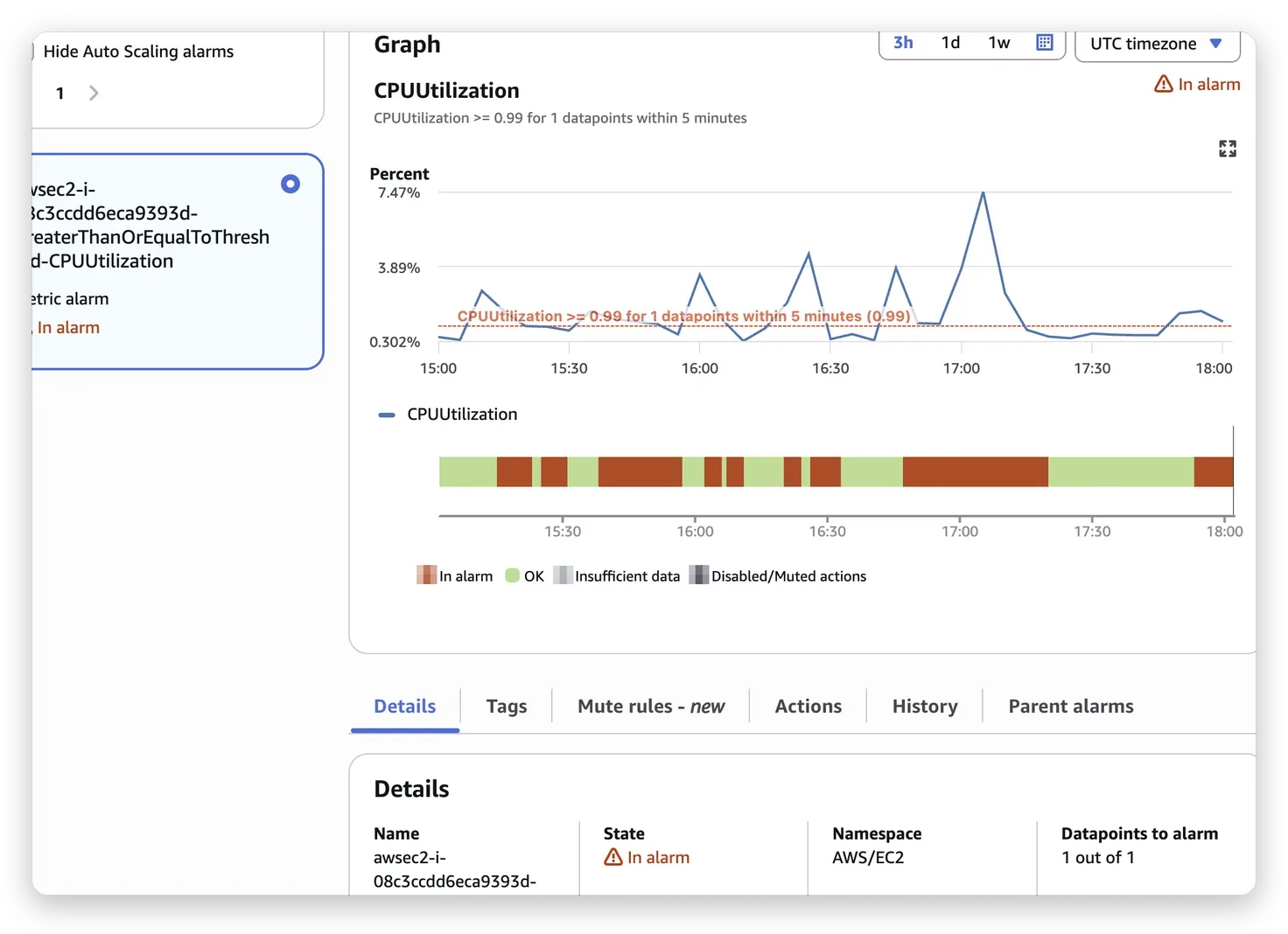
In short, the Automatic Workload Repository (AWR) collects performance data from Oracle Database at regular intervals. For example, an AWR report for a slow period shows the top wait events, the heaviest SQL statements and how the database uses memory and disk. However, the report is long, and the key is to know what to look for.
Therefore, we compare the slow period with a normal period, identify the wait events that dominate and connect them to specific SQL statements or sessions. Consequently, the fix targets the real cause, for example an index, a statistics update or a parameter change. Note that AWR requires the Diagnostics Pack licence.
Security, patches and licences
Oracle releases Critical Patch Updates every quarter for both Oracle Linux and Oracle Database. Consequently, we plan and test them, and with Ksplice we can apply many kernel fixes without downtime. In addition, we harden the server, limit network access to the listener and review database accounts.
Above all, licences are a special area with Oracle. For instance, virtualisation, cloud deployment and optional packs affect the licence need. Therefore, we check the licence impact before we change the environment.
Contact Datorkirurgen AB about Oracle Linux
Business IT Support is part of Datorkirurgen AB, which has more than 30 years of experience in IT for businesses. We troubleshoot and support Oracle Linux and Oracle Database for companies remotely anywhere, in OCI, AWS and Azure, and on site in Stockholm and across Sweden.
In addition, our prices start at €250 per hour excluding VAT, or as agreed, and we guarantee to solve the problem. Oracle describes the operating system in its Oracle Linux documentation. Contact us, and we will start with the symptoms you see.
Frequently asked questions about Oracle Linux
Basic questions
- What is Oracle Linux?
- How does Oracle Linux relate to Red Hat?
- What is the Unbreakable Enterprise Kernel?
- What is Ksplice?
- Is Oracle Linux free?
- Can Oracle Linux run in AWS or Azure?
- What is Oracle Cloud Infrastructure?
- Which Oracle Database versions do you support?
- Can we migrate from CentOS to Oracle Linux?
- Do you support other Linux distributions too?
Troubleshooting and performance
- Why is our Oracle database slow?
- What is an AWR report?
- Do we need a licence for AWR?
- What is a wait event?
- What are huge pages?
- Which kernel parameters matter for Oracle?
- Where is the alert log?
- How do you find the heaviest SQL statement?
- Can missing statistics slow down queries?
- Can disk latency explain the problem?
Security, patches and support
- How often does Oracle release patches?
- Can we patch without downtime?
- How do we protect the listener?
- How does virtualisation affect licences?
- Can you review our licence situation?
- Can you plan a database upgrade?
- Can you set up backups with RMAN?
- Do you work outside office hours?
- Do you offer ongoing support?
- How do I contact you about Oracle Linux?