A QNAP NAS gives the business fast, central storage with snapshots and backup. Business IT Support installs, configures, migrates and supports QNAP devices for companies, remotely and on site in Sweden.
What a QNAP NAS is and when it suits the business
A NAS is a network storage device with several disks, its own operating system and services for file sharing, backup and synchronisation. QNAP offers both QTS and QuTS hero, where QuTS hero uses the ZFS file system with strong data integrity. Therefore, it suits offices that work with large files, need fast local access or want a second copy of their cloud data.
At the same time, a NAS needs correct configuration. Otherwise, it easily becomes a single point of failure or an open door for ransomware. For that reason, we always combine the device with snapshots, an external backup and clear permissions.
Installation and configuration of QTS and QuTS hero
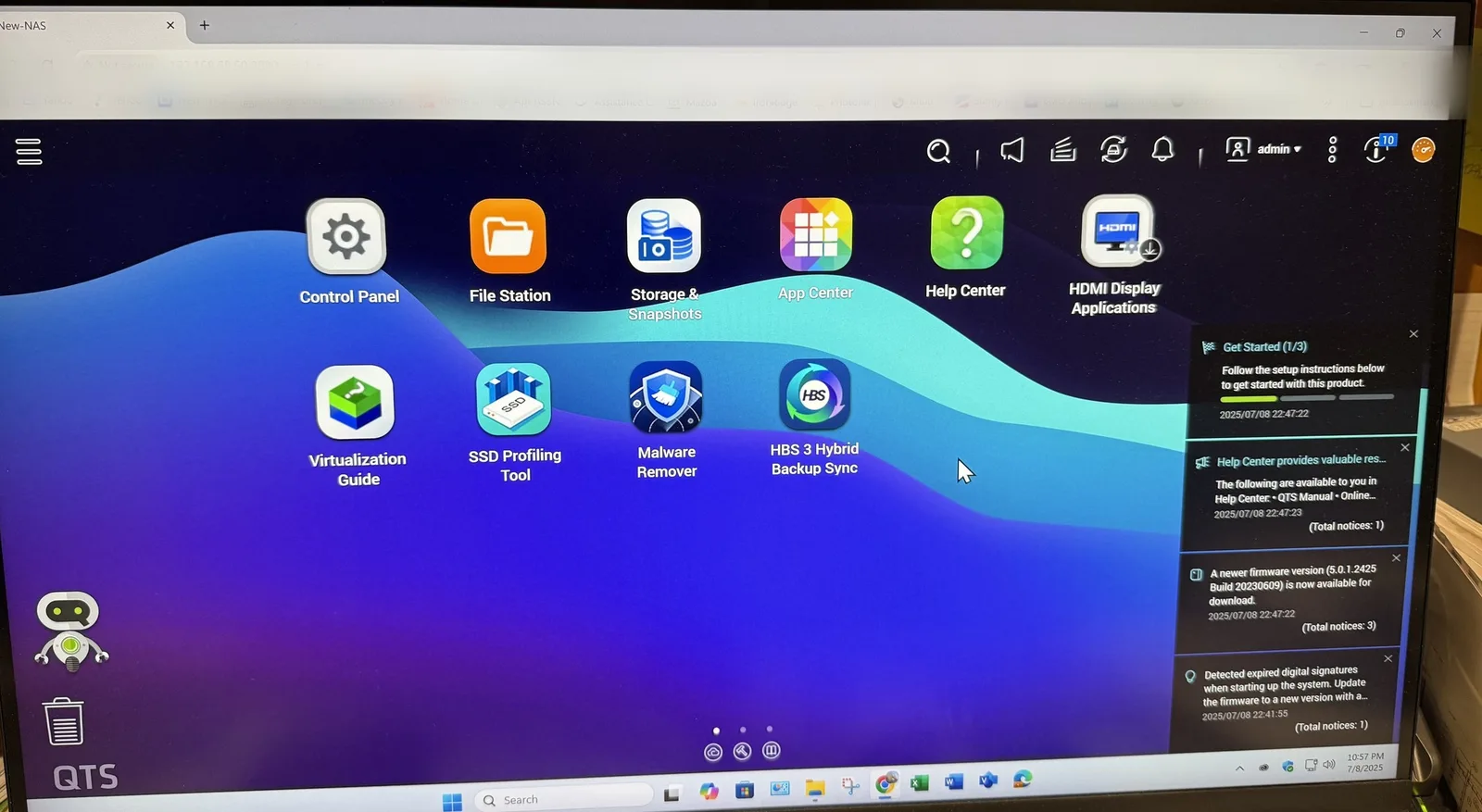
First, we choose the model, the disks and the operating system. For example, QuTS hero with ZFS suits companies that value data integrity and inline compression, while QTS suits simpler needs. Then we install the disks, create storage pools with RAID 6 or RAID-Z2 and enable SSD caching where it helps performance. We also configure email alerts for disk errors.
Furthermore, we turn off services that you do not need, change the default administrator account and enable two-factor authentication. As a result, the QNAP NAS starts its life with a secure baseline.
Users, permissions and domain
Shared folders follow the structure of the business, for example finance, projects and management. We assign permissions through groups instead of individual users. Consequently, a new employee gets the right access by joining a group.
In addition, the NAS can join Active Directory or use LDAP, so users sign in with their normal account. We also enable logging of file access, which helps both troubleshooting and security investigations.
Migration and data transfer to a QNAP NAS
When you move from an old Windows server or another NAS, we plan the migration carefully. To begin with, we inventory folders, permissions and data volumes. Then we copy the data in stages with HBS 3 Hybrid Backup Sync or robocopy, which keep timestamps and permissions intact.
Before the final switch, we run a last delta copy and update mapped drives and shortcuts. Afterwards, we compare the number of files and the total size between source and target. Therefore, you can be sure that every file arrived.
Backup, snapshots and ransomware protection
QNAP snapshots save the state of a volume several times a day, and Snapshot Vault keeps copies on a second device. Because QNAP devices have suffered ransomware campaigns such as Qlocker and DeadBolt in the past, we treat snapshot protection and quick firmware updates as absolute requirements.
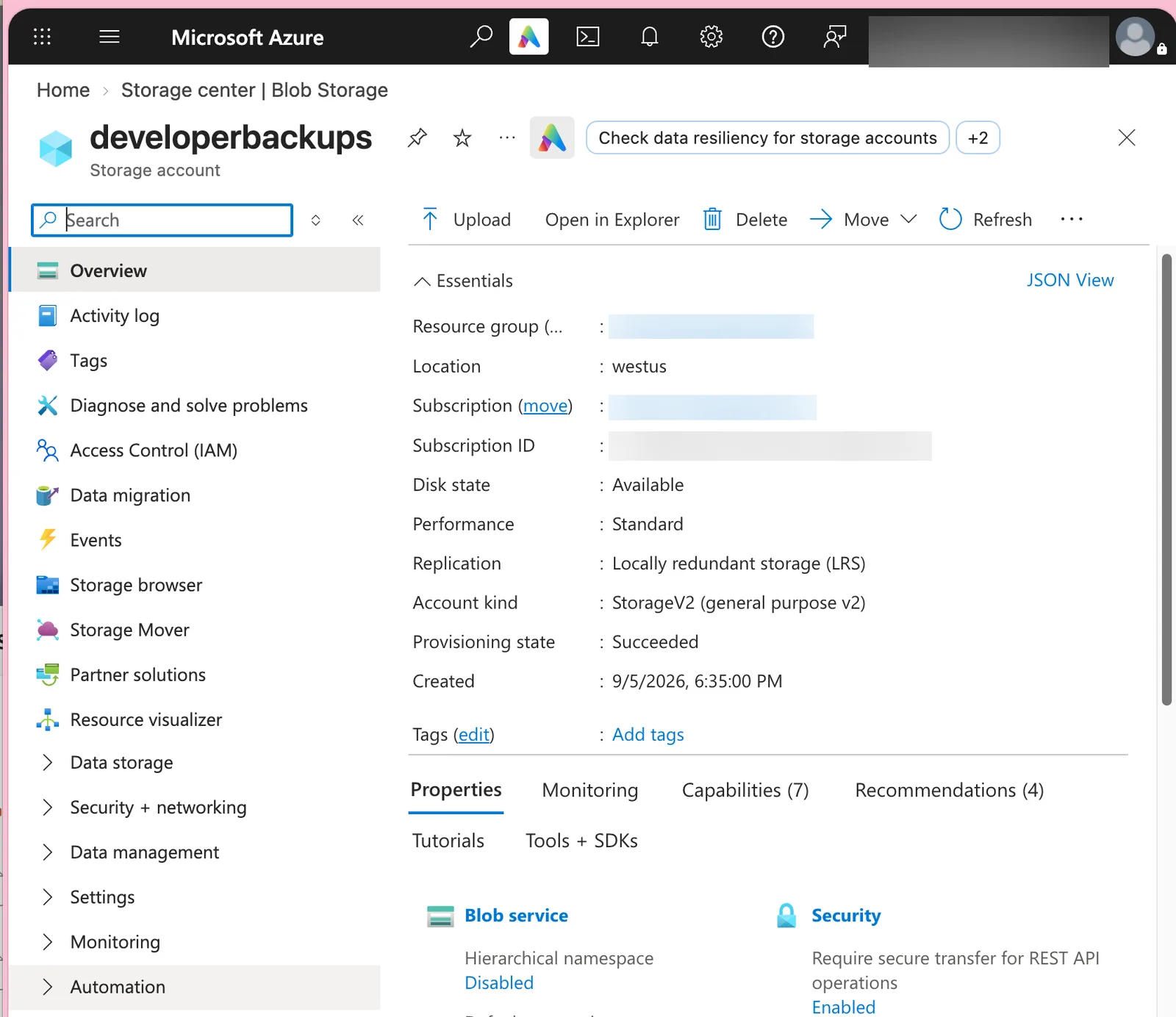
Furthermore, a NAS needs a copy outside the building. With HBS 3, we send encrypted backups to another NAS, to Azure Blob Storage or to another cloud. Finally, we test a restore regularly, because an untested backup gives a false sense of security.
Remote access, updates and support
Remote access should never expose a QNAP device directly to the internet. Therefore, we turn off UPnP and port forwarding, avoid publishing the admin interface through myQNAPcloud and use a VPN with two-factor authentication instead. We also restrict administration to the office network.
Updates fix security holes, so we install them on a controlled schedule. In addition, we monitor disk health, temperature and free space. When a disk starts to fail, we replace it before data is at risk, and you always have a contact who knows your device.
Contact Datorkirurgen AB about your QNAP NAS
Business IT Support is part of Datorkirurgen AB, which has more than 30 years of experience in IT for businesses. We install, migrate and support QNAP devices for companies remotely anywhere, and on site in Stockholm and across Sweden.
Our prices start at €250 per hour excluding VAT, or as agreed, and we guarantee to solve the problem. The manufacturer describes the products on its website. Contact us, and we will help you choose, set up or move to the right device.
Frequently asked questions about QNAP NAS devices
QNAP NAS basics
- What is a NAS?
- Which model suits a small office?
- Which RAID level should we choose?
- How many disks do we need?
- Can a NAS replace a file server?
- Does a NAS work with Mac and Windows?
- How long does a NAS last?
- Which disks should we buy?
- Can we expand the storage later?
- What does a NAS cost?
Configuration, permissions and backup
- How do we set up shared folders?
- Can the NAS join Active Directory?
- How do we enable two-factor authentication?
- What is a snapshot?
- How do snapshots protect against ransomware?
- Where should the off-site copy live?
- Can we back up to Azure?
- How often should we test a restore?
- Can we log file access?
- How do we receive alerts about failing disks?
Migration, operations and support
- How do you migrate data from an old server?
- Do permissions follow during migration?
- How long does a migration take?
- How do we access the NAS remotely?
- Should the NAS face the internet?
- How often should we update the NAS?
- What happens if a disk fails?
- Can you monitor our NAS?
- Do you offer ongoing support?
- How do I contact you about our NAS?